
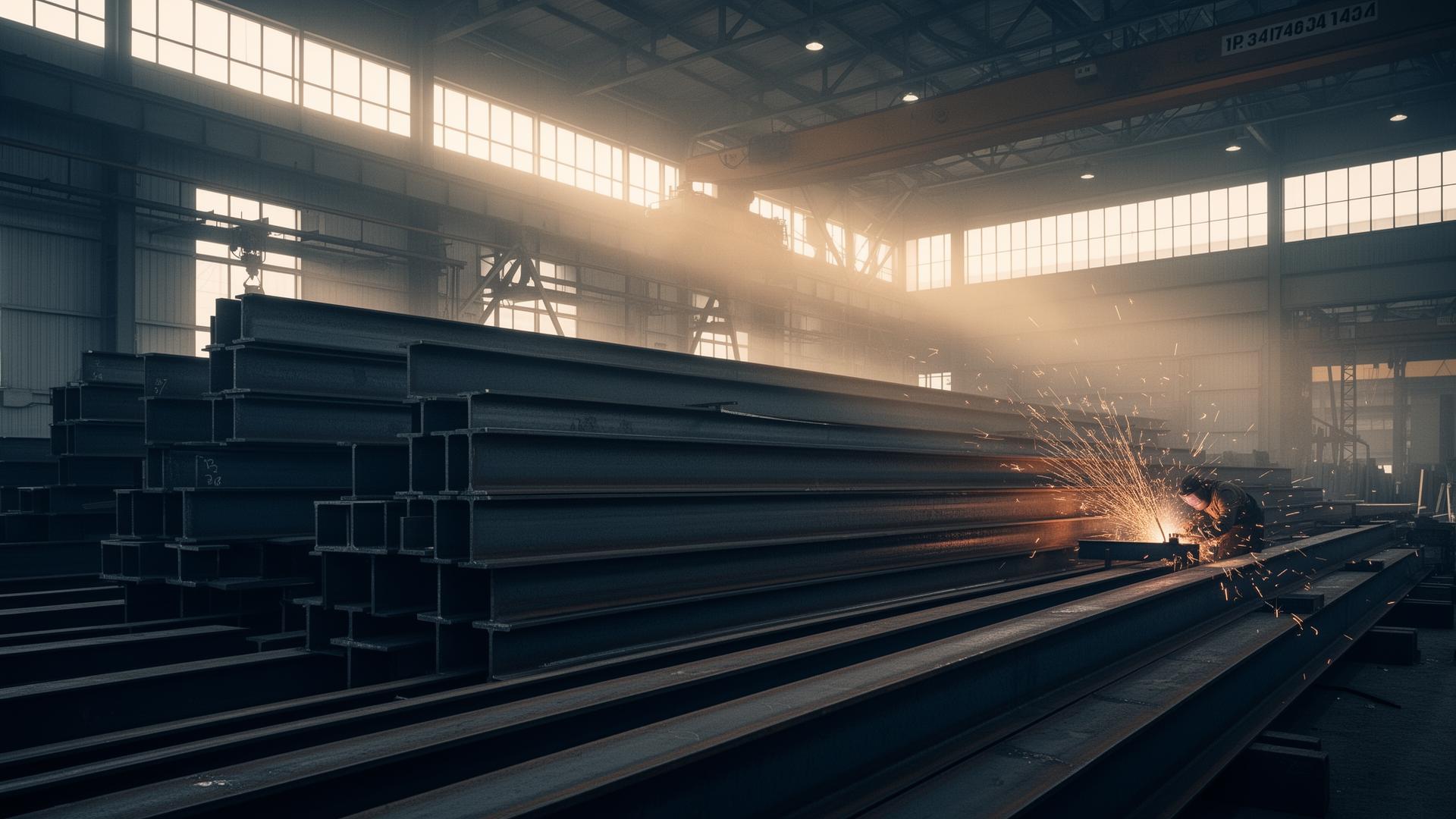
Drawings out the door
before lunch.
Forge is the control room for SDS2 automation. One panel runs every script, every workstation, every project — so your detailers spend their hours engineering, not babysitting macros.
The work isn't broken.
The repetition is.
SDS2 is excellent. The workflow around it is where the hours leak. We mapped where they actually go.
Detailers type shear, axial, and moment values from CSVs into beam after beam. A 200-member model takes half a day.
Piecemarks, bolts, welds, naming — all checked by eye. The errors that slip through cost real money in fabrication.
CNC, IFC, BOMs, drawings, RFI logs — exported separately, formatted by hand. Two to three hours of clerical work.
Client changes a beam size on forty members. Each one opened individually, edited, saved. Errors compound.
Brilliant document AI finds the answer. The answer still has to be acted on by hand. Half the loop is closed.
Five detailers, ten jobs, status living in heads and Slack threads. PMs can't see what's running, stuck, or done.
We sell time.
Steel is the by-product.
Every detailer in the country is doing the same forty things by hand — exporting, renaming, re-numbering, re-checking. It is honest work. It is also why drawings ship late.
Forge ends that quietly. Each repetitive task becomes a script. Each script becomes a button. Each button becomes a record. The shop keeps moving. The clock stops winning.
One panel. Every script. Every workstation.
Sit down.
Click run.
Get back to engineering.
Forge attaches to every workstation in your shop. Pick a project. Pick an automation. Press one button. Watch it ship from any chair, any floor, any city.
- Live runsSee every workstation as it works.
- Versioned scriptsRoll forward, roll back, never break a build.
- Audit by defaultEvery click, every output, every hash logged.
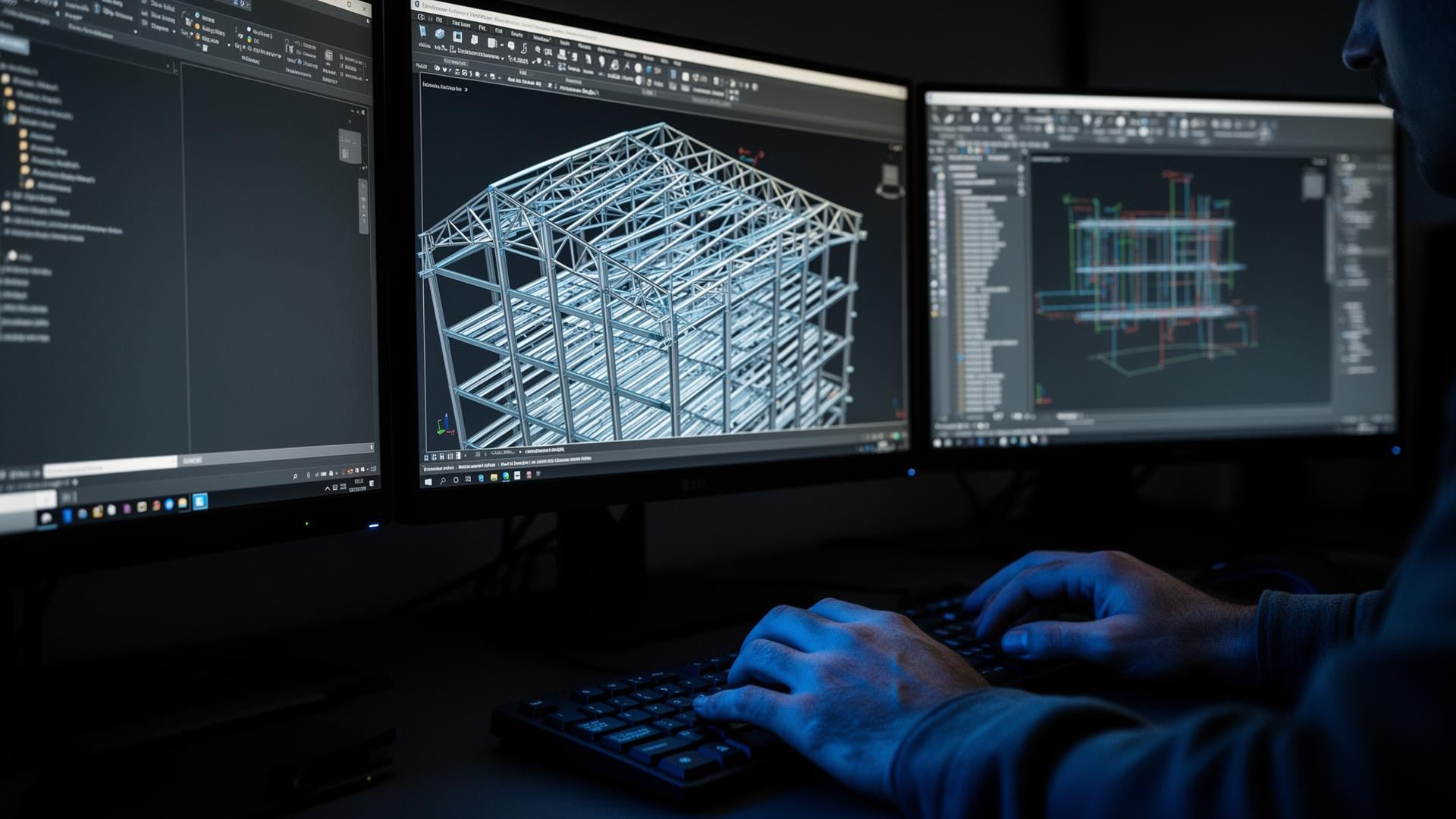
A real example,
before and after.
The single most common task on a steel detailing job: applying loads to beams from an engineer's CSV. Today, hours of manual entry. With Forge, a button.
- 01Receive load CSV from engineer over email.
- 02Open the SDS2 model. Find the first matching beam.
- 03Right-click. Open member properties dialog.
- 04Manually disable Auto Load.
- 05Type left-end shear, axial, moment values.
- 06Type right-end shear, axial, moment values.
- 07Set the connection type from a dropdown.
- 08Save. Close. Repeat for every other beam.
- 01Drag the CSV into Forge.
- 02Forge AI validates the columns and flags any issues.
- 03Detailer reviews the preview, clicks Run Import.
- 04Forge routes the job to the next available workstation.
- 05Loads applied. Connections set. Model saved.
Five layers.
One operating system.
Scripts execute inside SDS2. A local agent on every workstation talks to the cloud. The cloud orchestrates. AI closes the loop. The dashboard is what humans see.
Six purpose-built automation scripts that run inside SDS2 — apply loads, validate models, generate reports, batch-edit members, draw shop drawings.
A lightweight Windows service that monitors SDS2, picks up jobs from the cloud, runs the right script, ships logs back. Installs in one click.
Routes runs to the right workstation, persists every action in Postgres, exposes REST + realtime APIs, manages files, dispatches notifications.
Validates CSVs before they touch a model. Translates QC failures into plain English. Generates new scripts from natural language.
One unified surface for detailers, PMs, and admins. Project status, run console, file outputs, QC reports. Lives in the browser.
Six capabilities.
Each replaces hours.
Engineers send CSVs. Forge applies the loads — left-end and right-end values, connection types — across hundreds of members in seconds, auto-load disabled, model saved.
Eight production rules across every member: piecemark uniqueness, naming, bolts, welds, materials, connections, drawing-index alignment, AISC compliance.
CNC, IFC, KISS, BOM, RFI — bundled into standard formats and pushed where they need to go. The clerical hour at the end of every job, gone.
Client changes a beam size on forty members. Select the group, apply the change. Forge updates sections, rechecks connections, flags affected drawings.
Define your shop's standards once — clip angles, shear tabs, end plates by member type and load. Forge applies them across every model. New detailers ship senior work.
Auto-generate shop drawings, package as PDFs, track revisions, stamp metadata, push to the client portal. The drawing pipeline becomes one workflow.
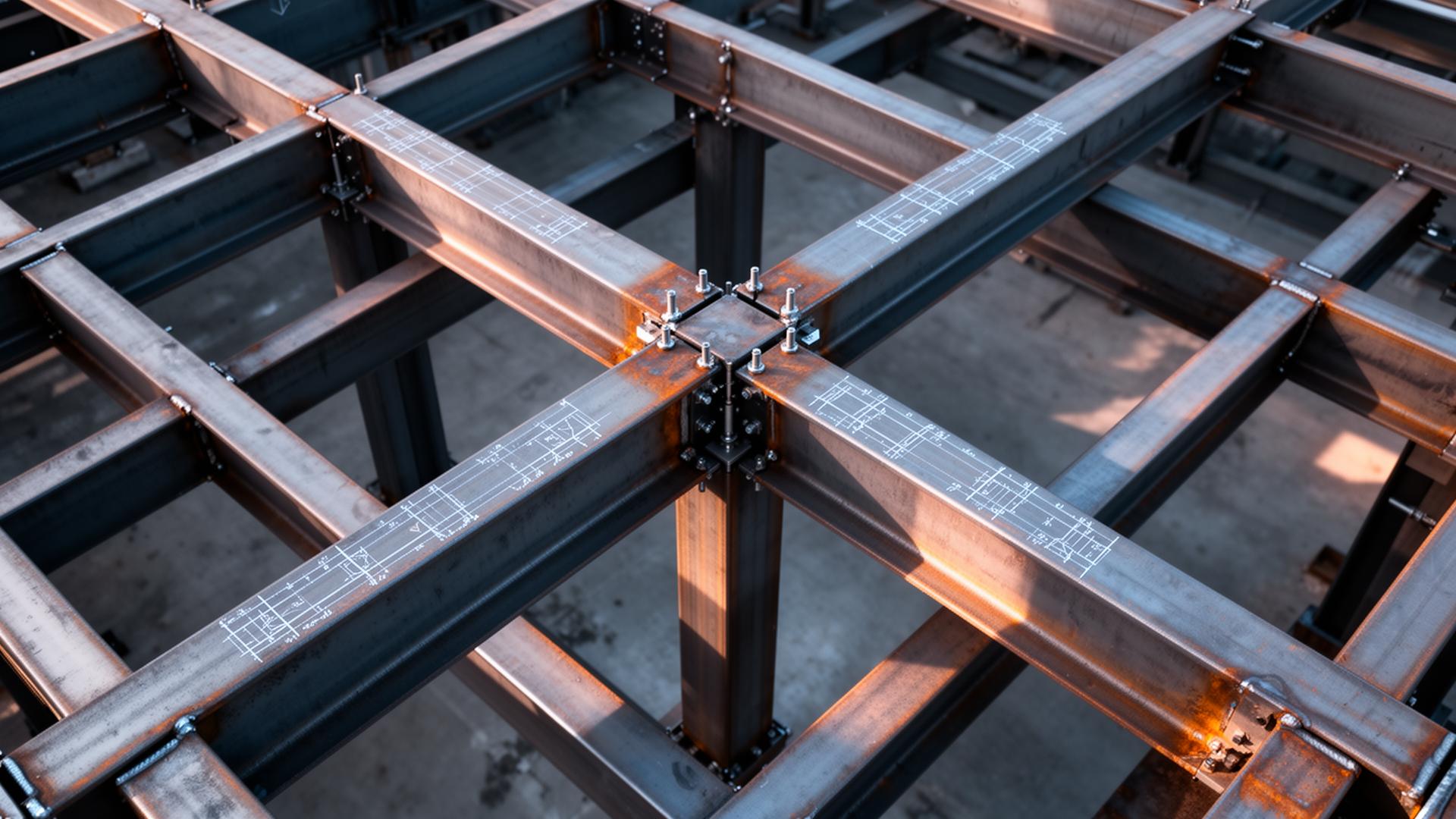
Tolerances are measured in millimetres.
So is our software.
Every run is logged, hashed and replayable. Every output is verified before it leaves the building. If a beam is wrong, it wasn't Forge.
What this is
worth.
Conservative estimates from a typical job: 1,500 members, six detailers, three to four active jobs at any time. The numbers below are per month, not per year.
Forge does the thing.
Built in the shop.
Used in the shop.
"We used to lose a day a week to file shuffling. With Forge it is six clicks and a coffee. The drawings are out before the weld is cool."